Production automation – what it is and why it is transforming modern industry
Production automation is transforming modern manufacturing. Discover how robotics, system integration, and smart production technologies improve efficiency, quality, and competitiveness.
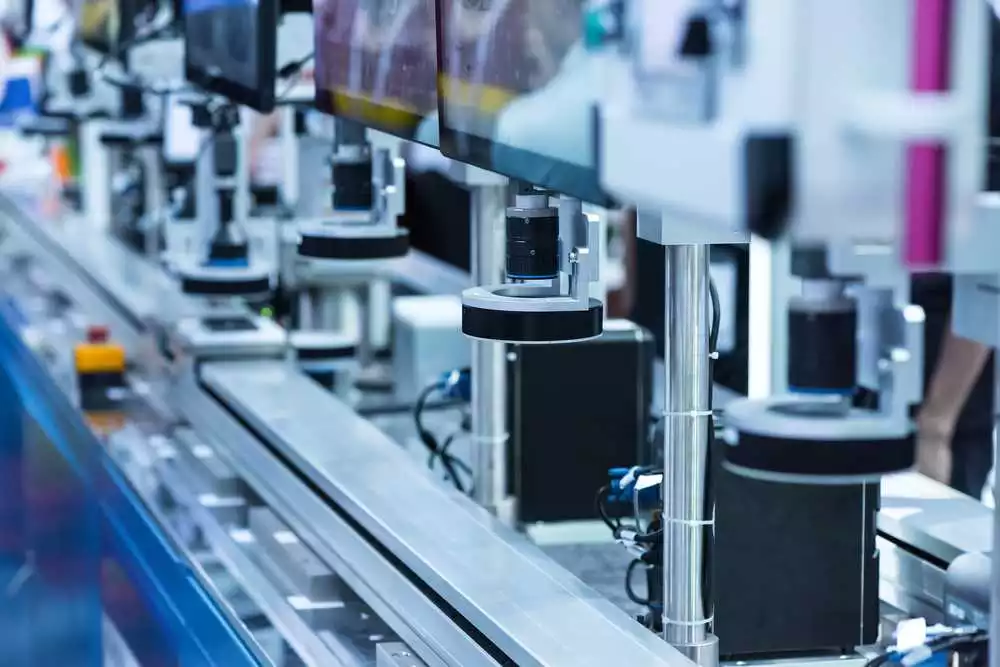
Table of contents
Introduction
Modern industry is undergoing one of the most profound transformations in its history. Production automation, supported by the development of robotics, artificial intelligence, and IoT systems, is revolutionizing the way we manufacture goods. Companies that invest in modern automation solutions not only gain a competitive advantage but also secure their future in a dynamically changing market.
As a company specializing in machine building and production process automation, we observe daily how intelligent systems are transforming industrial facilities. In this article, we explain what production automation is, what benefits it brings, and why implementing modern solutions is becoming a necessity for every modern manufacturing enterprise.
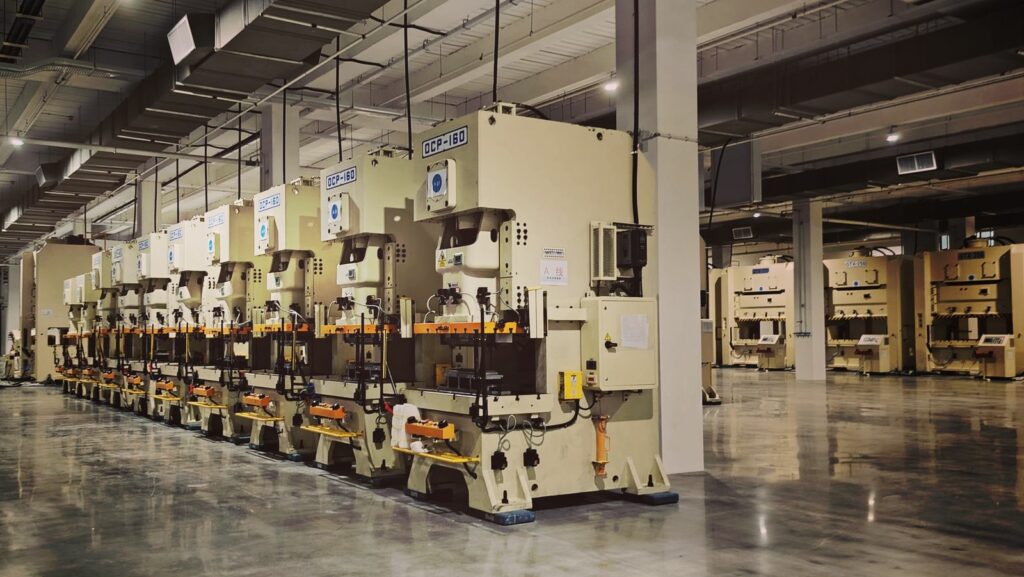
What Is Production Automation?
Production automation is the process of using advanced technologies – including industrial robots, CNC control systems, automated conveyors, and intelligent management systems – to perform production operations with minimal or zero operator involvement.
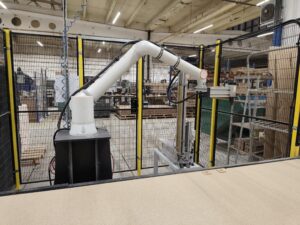
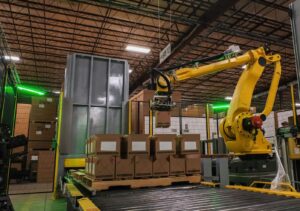
- Robotic workstations – implementation of industrial robots (6-axis, SCARA, delta, collaborative robots) for tasks such as welding, painting, assembly, packaging, or palletizing.
- Automated production lines – design and construction of complete lines with conveyors, positioning systems, and production process control.
- Control and supervision systems (SCADA/MES) – implementation of systems collecting machine data, monitoring efficiency, and supporting production decision-making.
- Automation of technological processes – specialized machines and devices dedicated to specific production operations.
- System integration – connecting various automation components into a cohesive and efficient production ecosystem.
A key element of modern automation is not only replacing physical labor with machines but primarily creating an intelligent production environment that independently optimizes processes, predicts failures, and adapts to changing conditions. An integral part of these systems are PLC controllers, which serve as the „brain” of every automated production line, managing all processes in real time.
Why Is Production Automation Crucial?
Industry 4.0 and increasing global competition mean that automation is no longer a luxury but a necessity. Here are the key reasons why manufacturing plants invest in modern automation solutions:
1. Increased Productivity and Efficiency
Automated machines operate 24/7 without breaks, shifts, or weekends. An industrial robot can perform assembly operations with a cycle time below 10 seconds while maintaining the same precision throughout the day. For our clients, this translates into productivity increases of up to 200–300% compared to manual production. According to data from the International Federation of Robotics (IFR), the number of installed industrial robots worldwide is steadily increasing, confirming the global trend of automation.
2. Highest Quality and Repeatability
In industry, quality is crucial. Automated production systems eliminate human fatigue and distraction, ensuring identical quality of every manufactured component. Vision systems and quality control solutions detect defects in real time, eliminating products that do not meet specifications.
3. Workplace Safety
Automation allows employees to be removed from hazardous, strenuous, or monotonous workstations. Robots take over tasks involving heavy components, work in harmful environments (temperature, chemicals, dust), or repetitive movements that may lead to occupational diseases.
4. Production Flexibility
Modern automation systems allow quick switching between different products. Collaborative robots (cobots) can be programmed by operators without advanced IT knowledge, and production changeovers take minutes instead of hours.
5. Cost Optimization
Although automation requires initial investment, the return on investment (ROI) is visible within 6–12 months. Reduced production waste, lower labor costs, fewer complaints, and higher efficiency translate into real savings and increased profitability.
Benefits of Implementing Automation – Summary
- 1. Increased efficiency – 24/7 production, shorter cycles, higher line throughput.
- 2. Highest quality – Repeatability, precision, elimination of human errors.
- 3. Safety – Protection of employees from hazardous and strenuous tasks.
- 4. Flexibility – Quick changeovers, small-batch production, customization.
- 5. Cost optimization – ROI in 6–12 months, lower unit production costs.
- 6. Competitive advantage – Faster response to orders, better pricing, higher quality.
- 7. Sustainability – Reduced energy consumption, waste reduction, environmentally friendly production.
Conclusion
Production automation is an irreversible trend defining the future of industry. Companies that invest today in modern automation solutions are building the foundations of their competitiveness for years to come. Automation is not only about robots and machines – it is a comprehensive transformation of processes that requires a partnership approach and expertise.
As a company specializing in machine building and production automation, we offer comprehensive support – from process analysis and consulting, through machine design and construction, to implementation and service. Each project is treated individually, tailoring solutions to the industry and specific needs of the client.
If you are considering automation in your production facility, we invite you to contact us. We will conduct a free analysis of your processes and present optimization opportunities. Together, we will build a solution that brings real benefits to your company.
The practical side of these topics — scope of work, budget bands and lead times — is described on the robotic workstations and automation cells service page.